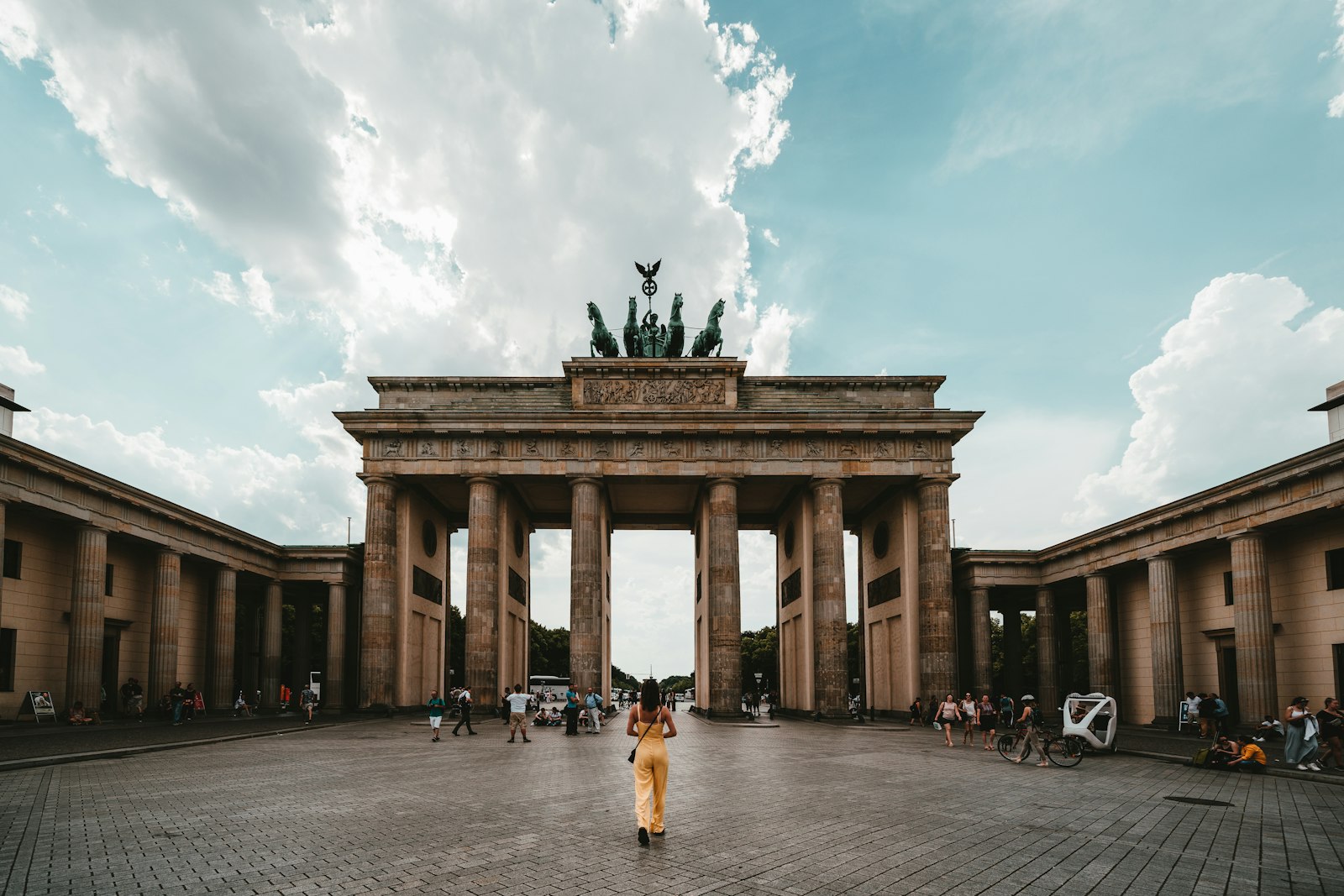
The country where the night has no fixed end. Berlin sets the pace, Leipzig and Hamburg are close behind.
Live city guides: Berlin, Cologne, Frankfurt, Hamburg, Leipzig, Munich.
Best clubs: Cologne, Berlin, Hamburg, Munich, Frankfurt, Leipzig.
Where to go out
There is no closing time, and that changes everything. German licensing does not force a last call. Clubs close when the floor empties, which on a good weekend is Monday morning. Plan sleep around that, not the other way round.
The door is a curation, not a bouncer. In Berlin especially, the person on the door is selecting a room rather than checking a dress code. Rejection is routine and impersonal.
Cash still matters here. Germany is the most cash-dependent country in western Europe and plenty of club doors and bars take nothing else. Withdraw before you go out.
Berlin and Leipzig book the deepest end of it, in rooms built for volume.
No closing time means a night can run twelve hours. Nowhere else in Europe does this as a rule.
Leipzig, Dresden and much of the east run ten euro doors and three euro beers.
Berlin has the largest and most established scene in Europe, with parties that run all weekend.
Hamburg and Cologne have the best small-venue circuits in the country.
Everywhere except Berlin, you walk in. Berlin is the exception, not the rule.
Not for you if you want a bottle-service night, a photo of the floor, or guaranteed entry because you bought a ticket. None of those are how this works.
Kreuzberg and Neukölln fill from noon. Free, chaotic, and the unofficial opening of open air season.
Four days, around 20,000 people in black, across dozens of venues.
Six hundred shows in three days across the St. Pauli venues.
Weiberfastnacht through to Rosenmontag. The city stops working and starts drinking.
Forest and riverside parties around every major city, most reachable by S-Bahn.
Friday bar night, Saturday late, Sunday afternoon. Do not attempt two clubs in one night.
Berlin for the weekend, Leipzig for Sunday and Monday. An hour apart by train.
Hamburg: live music Friday, harbour club Saturday, fish market at six on Sunday morning.
Three nights in Berlin, two in Hamburg. Two hours by train between them.
The point of Berlin is not Saturday night, it is what Saturday night turns into.
It is part of the experience, and the rejection rate is real. Have a second plan.
June to September, outdoor floors along the Spree and in the forests outside every city.
From a stand, standing up, under a heat lamp. The correct end to a night.
Same music, half the price, none of the door theatre.
Sunday morning, a beer tent, live music and people who have not been to bed.
Sausage, curry ketchup, chips. The default night food, sold from stands until late.
Berlin's own invention in its current form. Open when nothing else is.
Late-night corner shops sell beer, crisps and instant noodles until dawn.
Hamburg only. Herring in a roll at the fish market at six on Sunday morning.
The vegetarian default across Berlin and increasingly everywhere else.
Two or three people. Talking loudly in the line is the fastest rejection there is.
Camera stickers at the door and staff on the floor. Filming gets you thrown out, not warned.
Door staff curate a mix. Being turned away says nothing about you, and arguing guarantees it.
Many doors and bars take no cards at all. Fifty euros in notes solves most problems.
If you cannot name the line-up, the door will assume you are there for the story.
Bigger clubs have awareness teams. Staring, filming or touching gets you removed quickly.
| Club entry | €15–25 |
| Beer | €4–6 |
| Club-Mate | €3 |
| Cocktail | €10–14 |
| Cloakroom | €3 |
| U-Bahn single | €3.80 |
| Currywurst | €4 |
| Döner | €6–8 |
| Hostel bed, weekend | €30–60 |
Leipzig or Dresden: ten euro door, three euro beers, tram home.
Berlin club door, five or six drinks, cloakroom, night bus.
New Year or a festival ticket, drinks, taxi.
In Berlin, Hamburg and Munich the U-Bahn runs through Friday and Saturday nights. Night buses and trams the rest of the week.
18+ almost everywhere, 21+ at some clubs. Passports and EU ID cards only.
Germany is the most cash-reliant country in western Europe. Many club doors are cash only.
Berlin clubs rarely presell, which is why the queue exists. Elsewhere presale is common.
Legal. Beer on the street and on most public transport is normal and not an offence.
Violence at night is rare, phone theft in queues is not. Bigger clubs have awareness teams.
Varies by state. Berlin still has smoking bars and smoking rooms, Bavaria does not.
English is fine in the cities. A German greeting still helps at the door.
Door staff build a room rather than fill it. Group size, sobriety, how you behave in the queue and how the floor is balanced all count. It happens to locals too.
Yes. Many doors and bars are cash only, and the nearest cash machine at three in the morning is not where you want to be.
Berlin: two or three in the morning, and the night runs from there. Elsewhere: midnight to one.
In a handful of Berlin clubs, yes, and several smaller ones run through Sunday. Most venues close somewhere between six and noon.
For the music, close to it, at half the price and a fraction of the queue. For scale, no.
No. This is the one rule the whole country agrees on, and it is enforced by staff, not by signs.