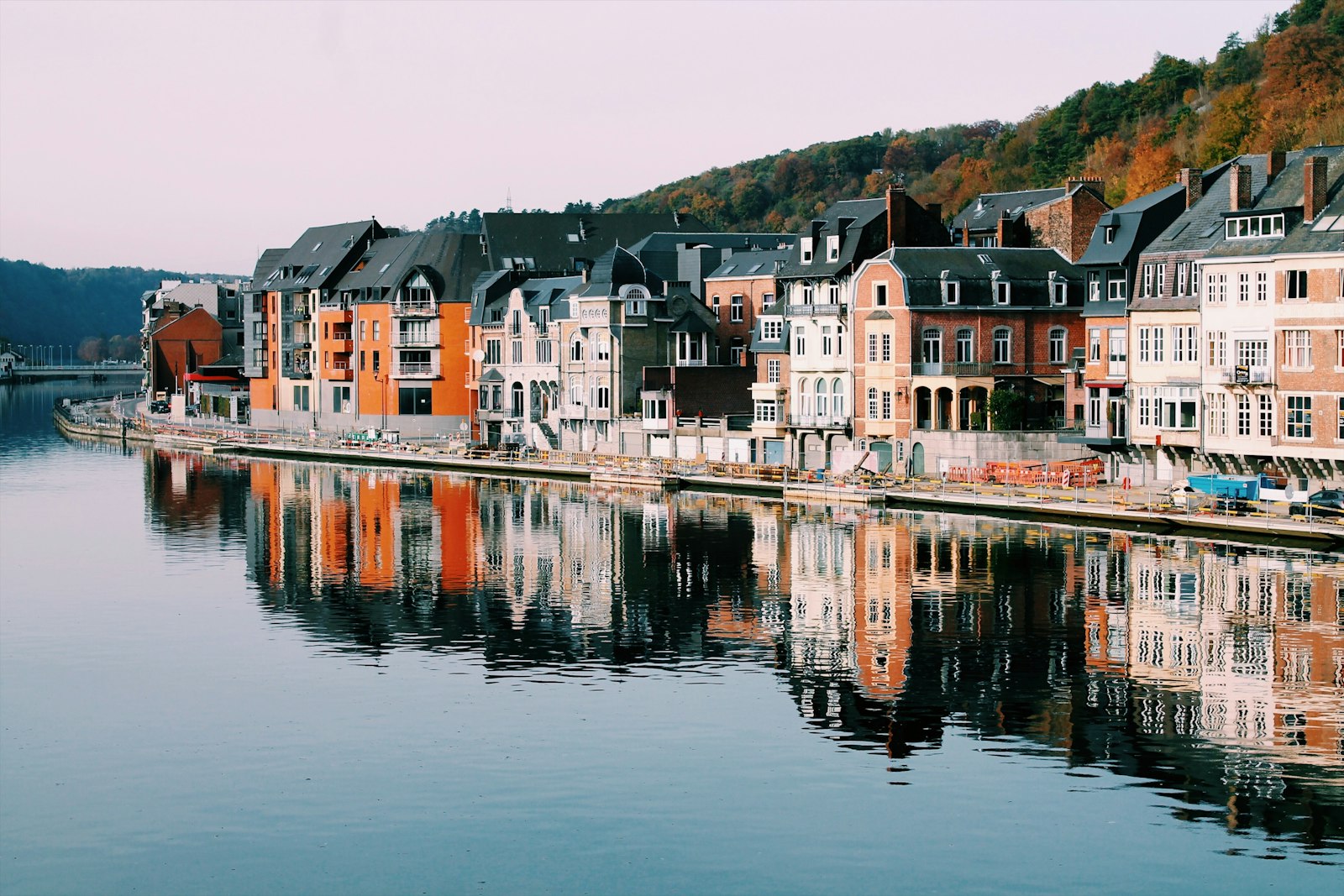
Brussels nightlife is smaller and cheaper than its neighbours', and it starts in a café. The first round is a Belgian beer in an old café near the Grand-Place, the second a bar in Saint-Géry, and the club only matters after midnight. The serious rooms are spread out: Fuse in the Marolles, C12 by Central station, and promoter nights in arts centres and event spaces west of the centre. Doors open around 23:00, floors fill after 01:00, and the big clubs run to 06:00 or 07:00. Entry is usually €10–25. Worth knowing: the metro stops around midnight, and Noctis night buses only run on Friday and Saturday nights, from midnight to 03:00.
Ranked by popularity. Tap a card for opening hours, door tips, getting there and tickets.
For the drinks before and after. Hours, prices and the best nights are on each page.
Half the night happens in a café. Belgian beer is the warm-up, and it is a long one: a kriek at À la Mort Subite, a half-en-half at Le Cirio, then the bars of Saint-Géry. A draught pils in an old café costs around four euros, so nobody rushes to the club.
The clubs that matter are run by collectives, not chains. Fuse has done techno since 1994 and C12 is run by the Deep in House collective. Much of the rest happens in arts centres and event spaces where the promoter changes every week. Check who is putting on the night, not just where it is.
The door is about behaviour, not looks. Fuse and C12 cover phone cameras or ban photos, and both keep the right to refuse entry, ticket or not. Dress codes are loose: muted at Fuse, creative or fetish wear on some C12 nights, and few other doors care what you wear.
Fuse, C12 and UMI book international DJs most weekends, with tickets usually €15–25.
Gueuze, kriek and faro in cafés that have been pouring them for generations, plus modern taprooms.
Saint-Jacques has Le Belgica and the drag shows at Chez Maman. La Démence runs at Fuse, and C12 and Recyclart host queer nights.
Ten to fifteen euro doors, four euro beers and a €2.40 bus fare keep a full night out affordable.
AB concerts end by 22:30, which leaves the whole night for a club afterwards.
Fuse runs to 07:00, holds 24-hour events, and Jungle Bar's party nights go on until noon.
Not for you if you want a single club strip with a big glamorous room. The best nights are small, scattered and run by promoters, so you have to check the listings before you go out.
Café hour. A kriek or a gueuze near the Grand-Place, or a taproom on Rue Dansaert.
Dinner, then the bars of Saint-Géry and Saint-Jacques.
Club doors open. Fuse, C12 and La Fabriek are quiet for the first hour.
The metro winds down. On Friday and Saturday the Noctis night buses take over from Gare Centrale.
Floors are full. This is the hour the night is actually about.
Most clubs close between 05:00 and 07:00. The metro restarts around 05:00.
Two rooms on Rue Blaes, a sticker on your phone camera and sets until 07:00. Buy the ticket, then dress down.
Start at À la Mort Subite, cross to Le Cirio for a half-en-half, and finish in Saint-Géry. All on foot.
Recyclart in Molenbeek and La Fabriek in Anderlecht host the city's most varied club nights, often for €12–15.
Friday or Saturday, doors 21:30, show at 22:00, €10 on the door. Arrive early: there are no reservations.
Tope, the rooftop at The Hoxton, has DJ sets from 18:00 Thursday to Saturday and a view over the whole city.
AB concerts end by 22:30. Walk ten minutes to UMI or C12 and the night has barely started.
The old cafés around the Grand-Place, the concert hall on Boulevard Anspach, and two of the best clubs in the city, C12 and UMI, within ten minutes of each other.
The densest bar area in the centre: L'Archiduc for cocktails until 05:00, the Brussels Beer Project taproom, Jungle Bar and Madame Moustache by the quay.
The streets around Rue du Marché au Charbon, with Le Belgica and the drag shows at Chez Maman. Busy, friendly, and a five-minute walk from the Grand-Place.
Home of Fuse on Rue Blaes. An old working quarter by day, and the city's best-known club address by night.
Mirano, a 1934 cinema turned club, and Tope on the 22nd floor of The Hoxton. Just outside the old centre, near Madou and the Botanique.
Recyclart in Molenbeek, La Fabriek in Anderlecht and Illegaal in Forest. Cheaper doors and a local crowd, but plan the trip home before you go.
Clubs are 18+ and want photo ID. At Fuse and C12 the door decides, ticket or not. Arrive in small groups, know who is playing, and expect a sticker over your phone camera. Fuse asks for muted, functional clothes; most other doors do not care what you wear.
Ten to twenty euros on a normal weekend, up to €25 for a big booking at Fuse. Presale is always cheaper: €12 instead of €15 at Recyclart, €15 instead of €20 at UMI. Some nights at Jungle Bar are free before midnight.
STIB says most lines run from 05:00 to midnight. On Friday and Saturday nights, eleven Noctis bus lines leave from Gare Centrale every 20 to 30 minutes between midnight and 03:00, and a contactless tap costs €2.40. After that, Collecto shared taxis cost €6 per person to more than 200 stops, or take a taxi.
| Club entry | €10–25 |
| Draught pils in a café | €4.20 |
| Aperol spritz in a café | €10.50 |
| Locker or cloakroom | €2–8 |
| Night bus (contactless) | €2.40 |
| Collecto shared night taxi | €6 |
| Kriek on draught | €6.80 |
| Hostel bed | from €40 |
Two café beers, a €12 presale at Recyclart or Illegaal, a few drinks and the Noctis bus home.
Café warm-up, a €20 club ticket, five or six drinks, a locker and Collecto home.
Cocktails at L'Archiduc, a €25 night at Fuse, drinks until close and a taxi.
C12 says presale is always cheaper, and the difference elsewhere is €3–5 a ticket.
Fuse and C12 ban photos on the floor. Removing the camera sticker at Fuse gets you removed.
The metro stops around midnight and Noctis only runs on Friday and Saturday, until 03:00.
The shared night taxi costs €6 per person and covers more than 200 stops. It is the cheapest way home from the canal-side venues.
Contactless on STIB costs €2.40 a journey and caps at €8.50 a day, so you do not need a ticket.
On Hypnofaze nights entry is free before midnight and €5 before 02:00.
Mirano opened as the Ciné Mirano in 1934, closed in 1978 and reopened as a nightclub in 1981.
La Démence, the gay party, started in 1989, five years before Fuse opened in 1994, and has been held at Fuse ever since.
Le Cirio has served the half-en-half, which it calls a typical Brussels drink, on Rue de la Bourse since 1886.
Kiosk Radio has broadcast 24 hours a day from a wooden kiosk in the Parc Royal since 2017, with a small bar beside it.
Most clubs close between 05:00 and 07:00. Fuse and UMI run to 07:00 at weekends, C12 to 06:00 or 07:00, and Fuse holds occasional 24-hour events. Bars in the centre mostly close at midnight, with exceptions such as L'Archiduc, open until 05:00.
Saint-Géry and Sainte-Catherine for bars, the streets around the Grand-Place for clubs, Saint-Jacques for queer nightlife, and the Marolles for Fuse. The promoter nights along the canal are worth the trip if you plan the way home.
The metro stops around midnight. On Friday and Saturday, Noctis night buses leave Gare Centrale every 20 to 30 minutes until 03:00, for €2.40 contactless. After that, Collecto shared taxis cost €6 per person, or take a taxi.
Clubs are 18+ and check photo ID. Belgium serves beer and wine from 16 and spirits from 18, and concert halls such as AB have no minimum age, but the club doors are stricter.
For big nights at Fuse, C12 and UMI, yes: presale is cheaper and the good nights sell out. C12 keeps some tickets for the door, and smaller venues often sell on the night.
About €35 for a cheap night, €70 for a normal one and €120 or more for a big one. A café pils is around €4, club entry €10–25 and the night bus €2.40.
See which clubs and bars are open right now, who is playing and where to get tickets. Live in four cities, with more on the way.