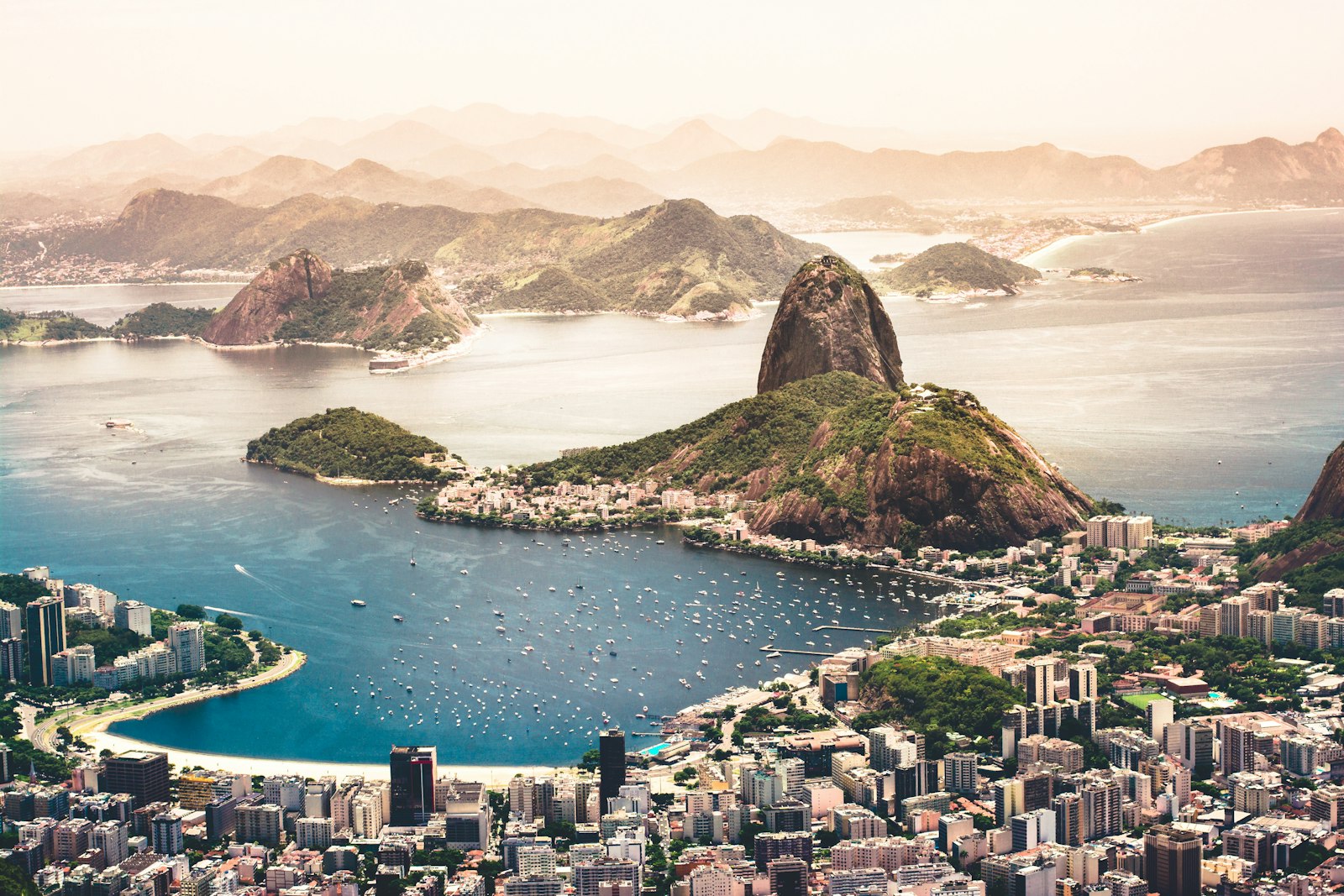
São Paulo has the clubs, Rio has the street. Both go until the sun is up.
Live city guides: Rio de Janeiro.
Best clubs: Rio de Janeiro.
Where to go out
Brazilian nightlife starts late and ends in daylight. Bars fill from about 21:00, and most people reach a club around midnight. São Paulo's D-Edge runs its Saturday night from 23:59 to 08:00. Drinks go on a card, the comanda, and you pay when you leave.
São Paulo and Rio are two different nights out. São Paulo is the club and bar city: Vila Madalena for bars on foot, Rua Augusta for a mixed late crowd, Barra Funda for electronic music. Rio is outdoors and musical, with samba in Lapa and tables on the pavement. They are an hour apart by air.
The mistake is walking home with your phone out. Take Uber or 99 door to door after dark, because the metro stops around midnight and street theft is real. Buy your own drinks and keep them in sight.
Lapa in Rio has samba houses, and the Pedra do Sal circle plays on Monday and Friday evenings.
D-Edge in São Paulo opens Thursday to Sunday, and the big nights run until morning.
Rio, Salvador and São Paulo each run a different Carnival in February or early March.
São Paulo has bars around Baixo Augusta and a huge Pride parade each June.
Botecos serve cold draught beer, chope, at long tables, about R$13 to R$14 for 500 ml.
Lollapalooza Brasil in March, and Réveillon on Copacabana to close the year.
Not for you if you want to walk between bars at 3 a.m. The metro stops at midnight and phone theft is common, so plan every late journey as a car ride.
Samba schools parade at the Sambadrome on Sunday and Monday nights, and hundreds of street blocos fill the city. In 2027 it runs from the afternoon of 5 February to midday on 10 February.
Almost a week from the Thursday night. Trucks with live bands, the trios elétricos, roll through Barra–Ondina and Campo Grande. The crowd outside a bloco's rope, the pipoca, is free.
Three days at the Interlagos circuit in the south of the city. The 2026 edition ran from 20 to 22 March.
On Avenida Paulista, on the Sunday after Corpus Christi. Organisers claim millions of participants; police figures are lower.
New Year's Eve on the beach, with concerts and 15 to 20 minutes of fireworks. Estimates put the crowd at about two million.
Friday in the bars of Vila Madalena, then Rua Augusta. Saturday at a Barra Funda club such as D-Edge.
Friday at the Pedra do Sal samba circle, then Lapa. Saturday in Leblon and Ipanema. The third night at a Lapa samba house.
Two nights each, with a flight of about an hour between them. Rio first, São Paulo last, where clubs run into Sunday morning.
Arrive on the Thursday. Blocos on Friday and Saturday, the Sambadrome on Sunday or Monday night. Book months ahead.
Three nights in São Paulo, three in Rio, then a flight of about three hours to Buenos Aires for two. The Argentina guide has hours and prices.
An open-air roda in Rio's port zone on Monday and Friday evenings from 19:00. Vendors sell beer and food.
Samba houses and street bars around the Arcos da Lapa. Stay on busy streets and leave by car.
Graffiti lanes and bars you can walk between, in São Paulo's west.
An electronic club in Barra Funda, open Thursday to Sunday. Saturday runs to 08:00 and a Sunday session starts at 05:00.
Cordão da Bola Preta, founded in 1918, parades along Avenida Rio Branco on Carnival Saturday, roughly 09:00 to 14:00.
A truck with a stage and speakers, followed by thousands on foot. Join the free pipoca or buy an abadá.
A thin fried pastry filled with cheese, minced beef or hearts of palm. Sold at street stalls and snack counters.
A skewer of grilled beef, chicken or coalho cheese from a small charcoal grill, outside bars and clubs.
A teardrop of shredded chicken in fried dough. Found in botecos, bakeries and snack bars.
The Brazilian hot dog, loaded with mashed potato, corn, peas and crisp potato sticks. Sold from carts near clubs.
Bread toasted on a griddle with butter, plus a coffee with milk. The after-club breakfast in the padarias, from dawn.
Bars in Vila Madalena, Lapa and Baixo Augusta are relaxed. Upscale places in Jardins and Itaim are choosier, so dress smart casual. Clubs are 18 and over.
Clubs log each drink on a card and you pay when you leave. Lose it and you face a steep charge. Pay early to skip the exit queue.
Bars with live music add a couvert artístico to the bill, about R$20 to R$40 per person at Lapa samba bars.
Restaurants add 10 per cent service to the bill, and bars often do too. It is optional and usually the only tip.
Sedatives in drinks are used to rob tourists, especially in Rio, and dating apps are used to lure foreigners. Check the plate and driver before every ride.
Thieves on bicycles and motorbikes snatch phones from hands on the street. If you are robbed, hand it over and do not resist.
A 2024 Supreme Court ruling removed criminal penalties for up to 40 g of cannabis, but it remains illegal. Trafficking carries 5 to 15 years, and the UK government warns of long sentences.
| Club entry | about R$40–150 (€7–27) |
| Draught beer, 500 ml | R$12–20 (€2–3.50) |
| Caipirinha or cocktail | R$25–45 (€4.50–8) |
| Cover at a Lapa samba bar | R$20–40 (€3.50–7) |
| Metro ticket | R$5.40 São Paulo, R$7.90 Rio (€1–1.40) |
| Uber or 99, 15 to 20 minutes at night | about R$25–70 (€4.50–12) |
| Street snack, pastel or espetinho | about R$8–20 (€1.50–3.50) |
A Lapa samba bar with cover, a few beers, a street snack, the metro home.
Bars first, a club door at about R$100, three caipirinhas, two rides.
A Carnival camarote or club booking, drinks on a tab, rides home.
São Paulo's metro runs from about 04:40 to midnight. Rio's runs 05:00 to midnight, and 07:00 to 23:00 on Sundays and holidays. After that, use Uber or 99 in the app, not unlicensed taxis.
The legal drinking age in Brazil is 18, and serving under-18s is a crime. Clubs check ID, so carry photo ID.
Cards work in most bars and clubs. Carry small notes, because street vendors often cannot change R$100. Many ATMs limit night withdrawals, so take cash out by day.
Big club nights sell early lots online. Bars sell no tickets. Street blocos are free, while Sambadrome seats and Salvador abadás are bought ahead.
Street beer is common around Lapa and at Carnival, but rules vary by city and event, and glass is often banned. Drink-driving can mean prison.
The US rates Brazil Level 2, and both governments warn of robbery, phone snatching and drink spiking, especially in Rio. Spirits can also be adulterated with methanol, so choose beer or sealed bottles.
Banned in enclosed public places, so bars and clubs have no indoor smoking. E-cigarettes and vapes are illegal.
Portuguese, not Spanish. English is limited outside tourist areas. A conta, por favor, is the bill, and saideira is the last drink.
Yes. Brazil nightlife runs from São Paulo's clubs, open Thursday to Sunday until morning, to Rio's samba bars and Carnival blocos.
Between 05:00 and 08:00 for big club nights. Most bars close around 03:00 or later.
Roughly €25 for a cheap night, €60 for a normal one and €120 or more for a big one. A draught beer is about R$12 to R$20.
18. Selling or serving alcohol to anyone under 18 is a criminal offence, and clubs are 18 and over.
São Paulo for clubs and bars, Rio de Janeiro for samba and street life. Salvador wins during Carnival.
With care. Use ride-hailing, keep your phone hidden, watch your drink and stay in busy areas.