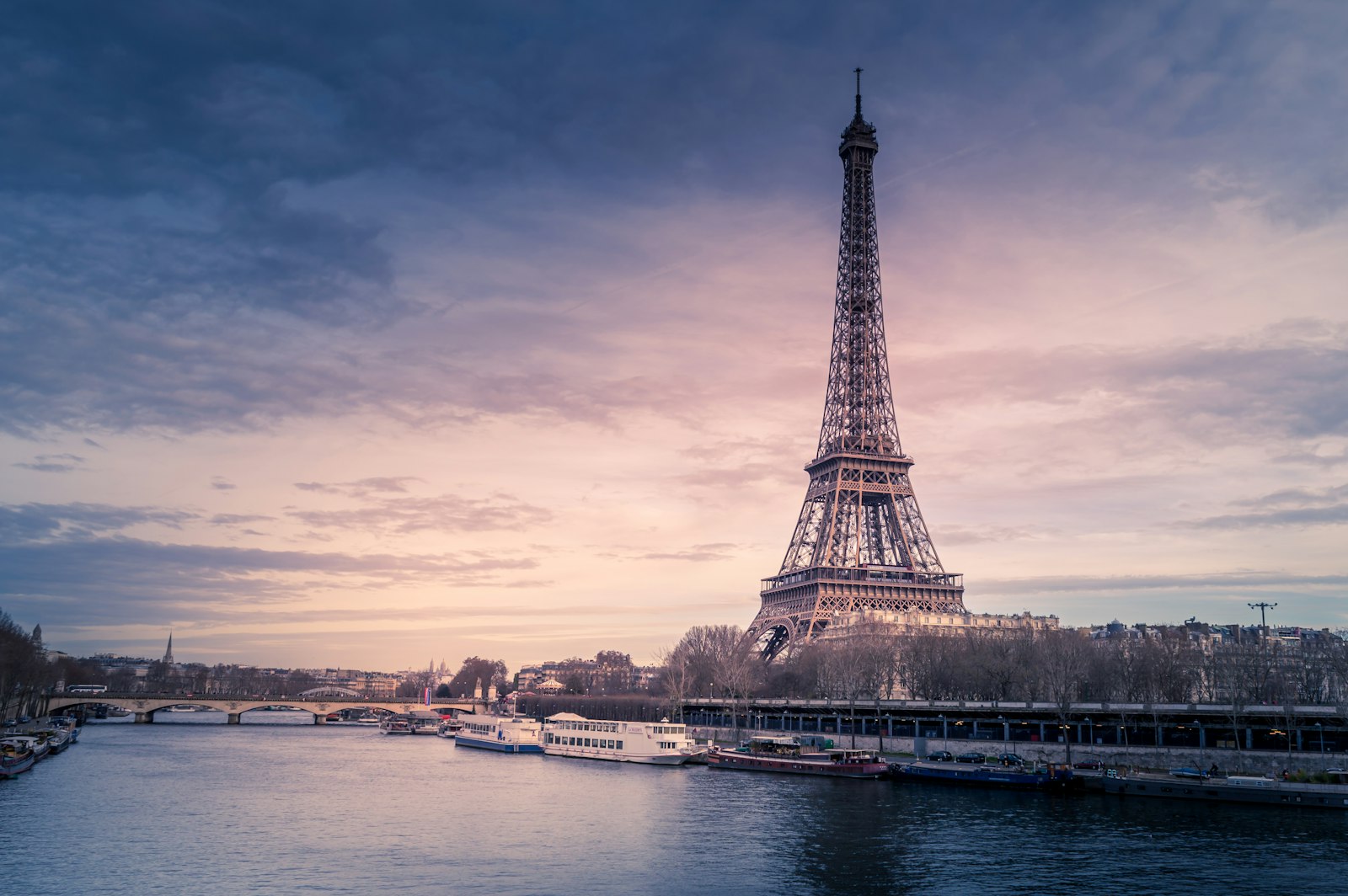
Paris does late bars and warehouse parties on the edge of town; Marseille and Lyon are looser and cheaper.
Where to go out
Paris has two nights, and they barely meet. One is bars: terraces, wine and a counter until two. The other is clubs and warehouse parties that start after midnight and run to six or later, often on the edge of the city. Nightlife in France works the same way on a smaller scale everywhere else. Decide which one you came for.
The door looks at you before the ticket. The person on a Paris door is the physio, short for physionomiste, and they choose the room. Smart but not formal works at most places; techno parties care more about attitude than shoes.
Outside Paris, the night gets cheaper and looser. Lyon has the strongest electronic scene after the capital and hosts Nuits Sonores in May. Marseille and Bordeaux run later terraces and easier doors. On 21 June the whole country goes out for Fête de la Musique.
Paris and Lyon book serious techno and house, from established clubs to warehouse parties outside the ring road.
A terrace, a glass of wine and a long conversation is a complete French night. Nobody expects you to dance.
From Nuits Sonores in May to beach parties on the Riviera in August, the summer has something every month.
Paris to Lyon takes about two hours by TGV, and London is two and a quarter hours away by Eurostar.
Le Marais in Paris is one of Europe's best-known queer districts, and Paris Pride fills the streets in late June.
Dinner at nine, bar at eleven, club at one. The rhythm is later than London and earlier than Madrid.
Not for you if you want a cheap big-city weekend. Cocktails in Paris clubs often pass sixteen euros, and the metro stops at 01:15 on weeknights.
Five days of electronic music, with outdoor day stages in an industrial site and night programmes until 05:00. Around 150,000 visitors.
Free music in every street, square and bar across the country, from late afternoon until well past midnight. The one night the whole of France is out.
The Marche des Fiertés crosses the city on a Saturday in late June, and the Marais parties all weekend.
France's oldest electronic music festival, in Brittany. A winter edition runs in February.
Three days of house and techno on the beach in Cannes, in the middle of the Riviera summer.
Friday for bars in the Marais or Oberkampf, Saturday for a club or a warehouse party. The Paris nightlife guide has the doors, the times and the last metro.
Two nights in Paris, then two hours south by TGV for Saturday in Lyon. In May, time it with Nuits Sonores.
Two nights each side of the Channel. The Eurostar takes about two and a quarter hours between Paris and London.
Marseille for the port bars, then along the coast to Cannes for Les Plages Électroniques in August. About two hours between them by train.
21 June. Free stages on every corner and bars spilling into the street. Pick a neighbourhood and stay put.
Boats and riverside venues run latest in Paris, especially in summer. Start with the Paris guide.
The big techno nights happen in former industrial spaces just outside the ring road. Ticket online, metro out, Noctilien back.
May. Day stages in an old industrial site, night programmes until five in the morning.
Between seven and nine every café terrace in the country fills up. It is the start of every French night, not an extra.
The first bakeries open around six or seven. A warm croissant is the traditional end to a Paris night.
The Paris name for a kebab: meat, salad and onions in bread, usually with chips inside. Open latest of all.
Not Mexican. A grilled wrap filled with meat, chips and cheese sauce. A student-town staple.
From a street stand, with Nutella or ham and cheese. Easier to find before two than after.
The café classic, if you catch a brasserie before the kitchen closes.
From the first bakery to open. The best food of the night, and the cheapest.
Door staff in Paris are selecting a crowd, not checking a list. Be calm, be brief and do not argue.
Two or three people, mixed if possible. A group of six men will not get in anywhere good on a Saturday.
Clean shoes and a jacket work almost everywhere. Sportswear does not, except at techno parties.
A greeting at the door and at the bar is expected, not optional. It changes how you are treated.
Warehouse parties and bigger clubs sell out in advance. Door sales, if there are any, cost more.
Pickpockets work crowded bars and the metro. Keep the phone in a front pocket, not on the table.
| Club entry | €10–30 |
| Beer in a bar | €6–8 |
| Cocktail in a Paris club | €16 and up |
| Metro ticket, Paris | €2.55 |
| Noctilien night bus | €2.05 |
Lyon or Marseille, a bar first, a ten euro door, metro home.
Paris bar, a club door, four drinks, Noctilien home.
A warehouse party or festival ticket, cocktails, a taxi at the end.
The Paris metro runs until about 01:15, and until 02:15 on Friday and Saturday nights. Noctilien night buses run from 23:45 to 06:00. Other cities rely on night buses on a few lines, taxis and ride apps.
The legal drinking age is 18. Clubs check ID; carry a passport or national ID card.
Cards and contactless are accepted almost everywhere, including most club bars.
Club nights and parties sell online through the promoters' ticket links. Buy there, not from resellers outside.
Allowed in principle, but many cities ban it in set areas and at set hours by local decree. Look for the signs.
Pickpockets in crowded bars and on the metro are the main risk. Use a ride app rather than an unmarked car late at night.
Banned inside bars and clubs since 2008. Terraces are where smokers go.
English is fine in Paris bars. A bonsoir and a merci are expected everywhere.
Most clubs close between 05:00 and 06:00. Paris bars usually stop around 02:00, and some parties run into the morning.
Paris for range and scale, Lyon for electronic music with shorter queues. They are two hours apart by train.
More than in Berlin, less than on the Riviera. Clean shoes and no sportswear cover most doors; techno parties are the exception.
No. It stops around 01:15, or 02:15 on Friday and Saturday nights. After that, Noctilien night buses run until the metro reopens.
May to September for festivals and terraces, with 21 June as the biggest single night. October to April is club season in Paris and Lyon.
The physionomiste, the person who decides who gets in at a Paris club door. They pick the crowd, and they rarely change their mind.