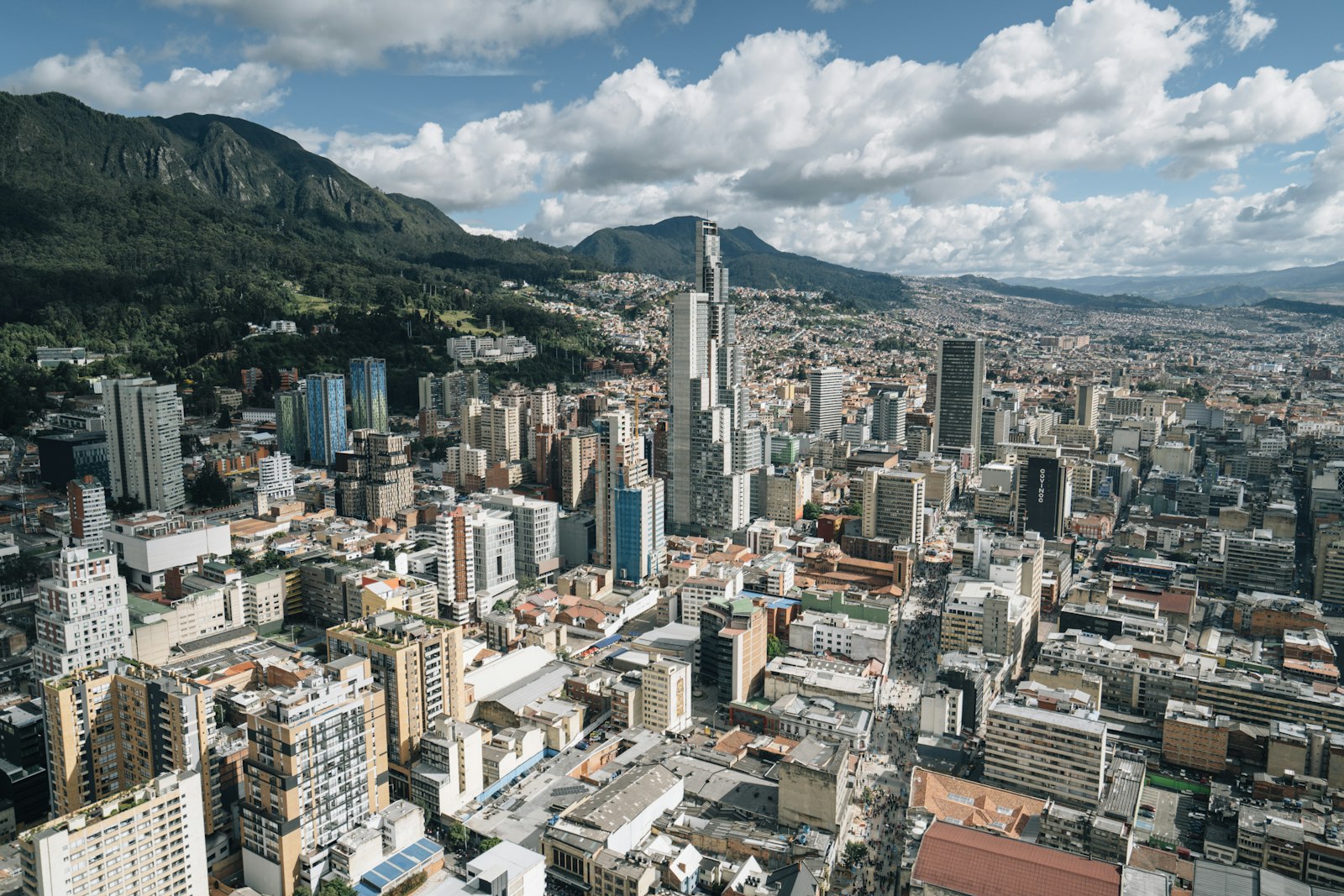
Medellín for reggaeton, Cali for salsa, Bogotá for the longest nights. All three reward you for knowing the safety rules.
Where to go out
Colombian nightlife is dancing, and it is shared. Groups take a table, split a bottle of aguardiente or rum, and reach the dance floor around midnight for reggaeton, salsa, vallenato or champeta. Thursday to Saturday are the big nights.
Every city has its own night. Medellín nightlife centres on El Poblado, around Parque Lleras and Provenza, with a more local scene on La 70 in Laureles. Bogotá spreads across Zona Rosa, Parque 93 and Chapinero. Cali is the salsa capital. Medellín clubs close at roughly 02:00 to 04:00, depending on zone and licence. In Bogotá the default is 03:00, and listed zones can run to 05:00.
The one thing visitors get wrong is safety. Drinks are spiked with scopolamine, known locally as burundanga. The US Embassy has warned that criminals use dating apps to lure foreign visitors to bars and hotels, then drug and rob them. None of this means staying in. Order your own drinks, book rides in an app and keep first dates in busy public places.
Cali is the salsa capital. Its dance bars reward people who know the steps, so take a lesson first.
El Poblado in Medellín has the densest cluster of clubs, between Parque Lleras and Provenza.
Colombians drink around a table and a shared bottle, which beats single cocktails on price once you are four.
Chapinero in Bogotá has a large LGBTQ+ scene, open late at weekends.
A local beer costs from about 8,000 pesos (€2.20), and many salsa bars charge little at the door.
Barranquilla's Carnaval, Medellín's Feria de las Flores and Cali's Feria fill the calendar.
Not for you if you plan to meet strangers from dating apps alone. Robberies and drugging linked to dating apps have been tied to deaths of foreign visitors in Medellín.
Four days of parades from the Saturday before Ash Wednesday, recognised by UNESCO. Two to three hours by road from Cartagena.
Three days of international and Latin American acts at Parque Simón Bolívar. In 2026 it ran from 20 to 22 March.
Ten days of parades and concerts. For the 2026 edition the city gave bars along ten corridors, Provenza among them, extra hours.
Free rock, metal and punk over three days at Parque Simón Bolívar. The 2026 edition, 10 to 12 October, was its 30th.
Six days from 25 December, opened by the Salsódromo parade, with salsa concerts and street parties across the city.
Friday in El Poblado: dinner in Provenza, then the clubs around Parque Lleras. Saturday on La 70 in Laureles, where locals go and beer costs less.
Thursday and Friday in Medellín, then a flight of about an hour to Bogotá for Saturday in Chapinero or Zona Rosa.
Two nights in the salsa bars of Cali around Avenida 6 Norte, then a flight of about an hour to Medellín for the weekend.
Two nights each in Bogotá, Medellín and Cali, then one in Getsemaní, Cartagena. Domestic flights link the four. The bus between the big three takes eight hours or more.
Dancing starts around 22:00 and gets serious after midnight. Go with small cash and a ride booked home.
The centre of Medellín's tourist nightlife. Loud and crowded, so keep your belongings close.
Bogotá's busiest nightlife district, with mixed music and a large LGBTQ+ scene.
Carlos Gardel died in a plane crash in Medellín in 1935, and the city kept the music. The Casa Gardeliana museum honours him.
A former working-class quarter beside the Walled City, with street food, buskers and bars after dark.
A free rock festival in Bogotá every October.
A Colombian hot dog piled with crushed potato chips, cheese and sauces. Sold from carts outside bars and clubs.
Sliced sausage on fries with sauces. Cheap, heavy and sold at street stands until late.
A grilled corn cake with melted cheese, cooked on street carts.
A fried corn pocket filled with beef or potato, served with ají, a chilli sauce.
Grilled chicken, pork and sausage with corn, cheese and chips. A late plate in Bogotá and Cali.
Expect a pat-down and a bag check at most clubs.
Some lounges in Zona T and Parque 93 enforce dress codes. In salsa bars, long trousers beat shorts.
Many Chapinero clubs cut or waive the cover charge before midnight.
Tables come with a bottle, usually 150,000 to 600,000 pesos with mixers. Check the price first.
A match suggests a bar or hotel, a drink is spiked, and you lose phone, cash and bank access. Meet in public, tell a friend and do not resist a robbery.
Up to 20 g of cannabis or 1 g of cocaine for personal use is not a crime, but police can seize it and sanction you, and use in public spaces is banned. Trafficking carries long prison sentences. Pink powder sold as tusi is usually ketamine mixed with other drugs, not cocaine.
| Club entry | 20,000–60,000 COP (about €6–17) |
| Beer in a bar | 8,000–15,000 COP (about €2.20–4.20) |
| Cocktail | 25,000–40,000 COP (about €7–11) |
| Bottle at a table | 150,000–600,000 COP (about €42–170) |
| Medellín Metro ticket | 4,400 COP (about €1.20) |
| Ride-hailing home in the city | 12,000–25,000 COP (about €3.50–7) |
Local bars on La 70 in Medellín or in La Candelaria in Bogotá: five beers, street food, a ride home.
Entry, four or five drinks in El Poblado or Zona Rosa, and rides there and back.
A table with a bottle at a Poblado or Zona T club, with entry, mixers and rides.
Medellín's Metro runs 04:30 to 23:00 Monday to Saturday and 05:00 to 22:00 on Sundays and holidays. In Bogotá, TransMilenio is not a late option. Use Uber, inDrive, DiDi or Cabify, booked from inside the venue. The apps are widely used but not formally regulated, and a 2026 proposal would make them illegal.
Colombia's drinking age is 18, the legal age to buy alcohol. Bring your passport or a copy.
Cards work in most clubs and bars in the big cities. Keep cash for street food. Restaurants add a voluntary 10 per cent service charge.
Most club nights sell at the door. Festivals sell online through platforms such as Tuboleta. Bogotá's al Parque festivals are free.
Public drinking is restricted, and Parque Lleras itself bans it. On election weekends a ley seca bans alcohol sales from 18:00 the day before voting to 06:00 the day after.
The US advisory for Colombia is Level 3, reconsider travel. The risks are drugged drinks, dating-app robberies, express kidnapping in street taxis and phone snatching. The emergency number is 123.
Banned in bars, pubs and dance halls under Law 1335 of 2009.
Spanish. English works in tourist zones only. Rumba means a night out, parce is Medellín slang for mate, and salud is cheers.
Yes. Medellín is the easiest start, Bogotá has the most variety and Cali has the best salsa. Follow the safety rules on drinks, taxis and dating apps.
In Bogotá the default is 03:00, with listed zones such as Zona Rosa and Chapinero Central allowed until 05:00. In Medellín it is roughly 02:00 to 04:00.
About €25 for a cheap night, €55 for a normal club night and €110 or more with a bottle at a table.
18 to buy alcohol. Bring ID, because clubs and police may ask for it.
Medellín for a first trip, Bogotá for range and Cali for salsa.
The US and UK governments both warn that criminals use them to lure foreign visitors. Meet in public, tell a friend, arrange your own ride and never go to an unknown room.