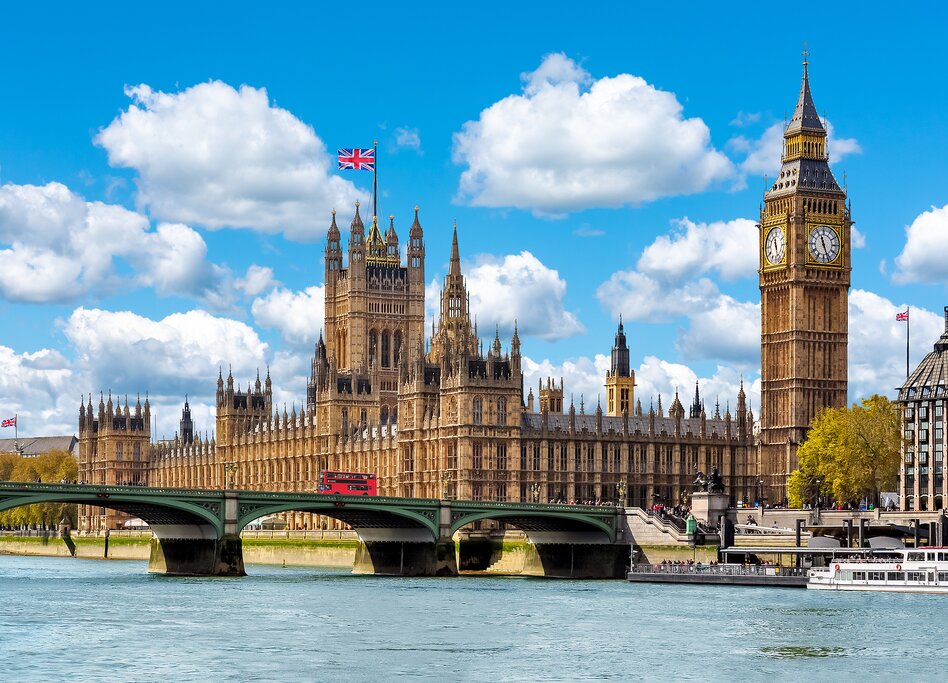
Pubs close early, clubs go on. London spreads out, the northern cities keep everything within walking distance.
Live city guides: Birmingham, Bristol, Edinburgh, Glasgow, Leeds, Liverpool, London, Manchester.
Best clubs: Edinburgh, Manchester, Bristol, Glasgow, Leeds, London.
Where to go out
The pub is the first half of the night, not the warm-up. Most British nights start in a pub between seven and nine, and plenty of pubs still call last orders around eleven, a little later at weekends. Clubs take over from there and run to three or four in most cities, later in London. You are planning two nights in one.
London is huge, the rest of UK nightlife is walkable. In London you choose an area and stay in it, because crossing the city can take an hour. Manchester, Glasgow, Leeds and Bristol keep their clubs within a short walk of each other, which makes a two-venue night realistic.
Autumn and winter are club season. Summer belongs to festivals and outdoor day parties. From September the big indoor seasons start and the student cities fill up again. For a festival, come between June and August. For clubs, come between October and March.
House, techno, drum and bass, garage and grime all grew up here, and every big city still has rooms built for them.
Nowhere else treats the pub as a national institution. A pint in an old room with no music is a night in itself.
From June to August there is a major festival almost every weekend, from Parklife in Manchester to Creamfields in Cheshire.
Manchester is about two hours from London by train, and Glasgow and Edinburgh are under an hour apart. Two cities in one weekend is easy.
Soho and Vauxhall in London, Canal Street in Manchester and the whole of Brighton run some of the longest-established queer scenes in Europe.
Small venues in every city book bands most nights of the week, often for less than a club door.
Not for you if you want a cheap night in London or a late one in a small town. The capital is expensive, and outside the big cities the night ends early.
A two-day city festival in Heaton Park, built around dance music and hip-hop. The unofficial start of Manchester's summer.
The biggest of them all, on a farm in Somerset. 2026 was a fallow year and the festival returns in 2027. Tickets go on sale the autumn before and sell out fast.
Around two million people over the weekend in west London. Sound systems, steel bands and the main parade on the Monday. Free.
The country's best-known dance music festival, at Daresbury between Liverpool and Manchester. Camping, four days, big stages.
A season of weekend all-nighters at Depot Mayfield, the old railway depot next to Piccadilly station. Tickets only, and the big dates sell out.
A ticketed street party in the city centre, fireworks over the castle and ceilidhs until late.
Friday in the east around Shoreditch and Dalston, Saturday at a big club. Use the London nightlife guide to pick one area per night and ride the Night Tube home.
Two nights in London, then about two hours by train to Manchester for a Saturday in the Northern Quarter, or a Warehouse Project date in season.
Glasgow on Friday and Saturday for the clubs, Edinburgh on Sunday for the old-town pubs. Under an hour between them by train.
Liverpool, Manchester and Leeds, each about an hour apart. Student prices, walkable centres and a different club scene every night.
Shoreditch, Dalston and Hackney Wick carry a large share of the city's late bars and small clubs. Start with the London guide and pick one.
The bell, the rush to the bar, the lights going up. Still the most British moment of any night.
From the 24-hour bakery at four in the morning, around seven pounds. Mustard, not ketchup.
Manchester, autumn only, in a former railway depot. The closest the UK gets to a festival indoors.
Friday and Saturday only, on five lines. Busy, loud and far cheaper than a black cab.
The main parade day of Carnival, on the August bank holiday. Go early, travel light and leave before the evening crush.
Doner or shish, chips on the side, chilli sauce. The default after a club in every British city.
From the chippy, with curry sauce, gravy or cheese depending on how far north you are.
Fried chicken and chips for a few pounds. London's late-night staple.
Brick Lane, served around the clock, around seven pounds.
Glasgow's contribution: a pizza box filled with kebab meat, chicken, pakora, chips and naan.
Most venues run Challenge 25 and ask anyone who looks under twenty-five for ID. Bring a passport; not every door accepts a foreign ID card.
Mainstream clubs still turn away sportswear at the door. Techno and underground rooms do not care.
Big clubs sell out online, and door prices are higher when there is a door sale at all.
In a pub, each person buys a round for the group in turn. Skipping yours is noticed.
At the bar and at the door. Pushing in is the fastest way to be served last.
Bag checks and pat-downs are standard at clubs. Leave anything you would not want found at home.
| Club entry | £10–30 |
| Pint in a pub | £4.50–8 |
| Cocktail | £10–16 |
| Tube fare, zone 1 | £3.10 |
| London bus or night bus | £1.75 |
| Salt beef bagel at 04:00 | £7 |
A northern city, pub first, a ten pound club door, night bus home.
London pub, a club door, five drinks, Night Tube.
A festival or a big London booking, cocktails, a cab at the end.
In London the Night Tube runs on Friday and Saturday nights on five lines, and night buses run every night. Elsewhere it is night buses and taxis; most trains stop around midnight.
The legal drinking age is 18. Most venues use Challenge 25 and check everyone who looks younger. A passport is the safest document.
Contactless is universal and some venues take no cash at all. On London transport, tap the same card in and out to get the capped fare.
Club nights and festivals sell through official ticket platforms. Resale outside them is where people lose money.
Legal in most places, but banned on London's transport network and in many city-centre zones.
Phone snatching on busy London streets is common, often by thieves on bikes. Keep your phone away from the kerb.
Banned indoors since 2006 in Scotland and 2007 in England. Every club has a smoking area.
English. Regional accents in Glasgow or Newcastle take a night to tune into.
Most close between 03:00 and 04:00. London has a handful of venues with later or 24-hour licences, and many pubs still stop serving around 23:00 on weeknights.
London for range, Manchester for club history, Glasgow for crowds that go all in. Time Out's 2025 reader survey put Brighton, Liverpool and London at the top.
Yes, almost always, even if you are clearly over 25. Bring a passport; some doors do not accept foreign ID cards.
Only on Friday and Saturday nights, and only on five lines. The rest of the week it is night buses.
Roughly £80 for a club door, five drinks and transport. A northern city does the same night for about half.
October to March for clubs, June to August for festivals. January is the quietest month, when a lot of people stay in after December.