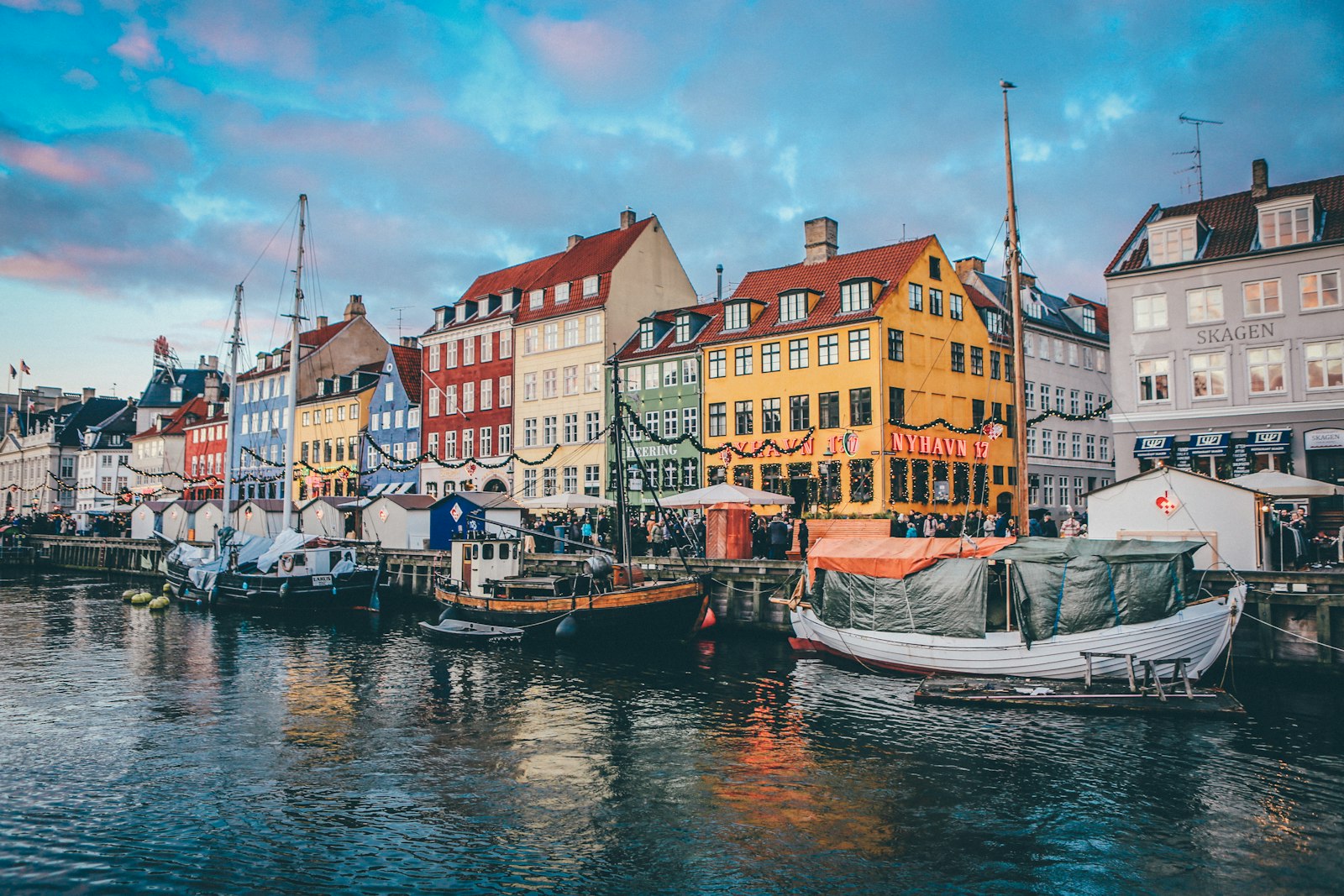
Copenhagen keeps its clubs small and its sound systems serious. Expensive, but the night runs long.
Live city guides: Copenhagen.
Best clubs: Copenhagen.
Where to go out
Expensive, so plan around it. A beer in a Copenhagen bar costs 50 to 70 kroner, well above Berlin, and club doors are priced to match. Danes pre-drink at home for exactly that reason. Do the same, or budget properly.
The night runs late, and the metro runs all night. Denmark's nightlife picks up after ten in the bars and after one in the clubs. Most bars close around two, and a handful of clubs hold licences until five at weekends. Copenhagen's metro runs around the clock every day, which makes getting home simpler than almost anywhere in Europe.
Summer is a different country. From May to September people drink by the harbour, Distortion takes over the streets of Nørrebro and Vesterbro in early June, and Roskilde brings around 130,000 people to a field west of the city.
Copenhagen's clubs are small and run by people who care about sound. Techno and house dominate.
Roskilde is the largest music festival in northern Europe, and Distortion turns the city into a street party.
Copenhagen is flat and built for bikes. Plenty of nights end with a ride home, though cycling drunk can get you fined.
From May the canals and harbour fronts become open-air bars, and the harbour baths stay busy until late.
Bodegas, the small brown bars, are cheap by Danish standards and some still allow smoking inside.
Aarhus has a big university and a younger, cheaper night than the capital.
Not for you if you are on a tight budget. Denmark is one of the most expensive countries in Europe for a night out.
Five days of street parties rotating through Nørrebro, Vesterbro and the harbour, ending with a weekend of electronic music on Refshaleøen. Around 100,000 people.
Eight days including the warm-up, around 130,000 participants and a non-profit that gives its surplus to good causes. Half an hour from Copenhagen by train.
Ten days of concerts in clubs, squares and parks across the city, many of them free.
A big music festival in a beech forest in Jutland, near Aarhus.
A week of events around City Hall Square and a parade on the Saturday.
Friday in the bars of Vesterbro and the Meatpacking District, Saturday at a club until five. The Copenhagen nightlife guide has the doors and the times.
Two nights in Copenhagen, one across the Øresund Bridge in Malmö. The train takes about forty minutes.
Two nights in Copenhagen, then about three hours by train to Aarhus for a student-priced weekend.
Two nights in Hamburg, then about five hours north by train for three in Copenhagen.
Drinks on the quays, a swim at a harbour bath and a club after. June to August.
Early June in Nørrebro and Vesterbro. Five days of dancing in the street.
Kødbyen's old slaughterhouse buildings hold bars, restaurants and clubs. The Copenhagen guide points you to the right door.
Late June. Book early, camp, and do the warm-up days as well as the main stage days.
It runs all night, every night. The most underrated part of a Copenhagen night is how easy it is to get home.
A small local bar with cheap beer and regulars who have been there since the afternoon. The other side of Danish nightlife.
Hot dogs from a pølsevogn, the sausage wagon, with remoulade, crispy onions and pickles. Most take contactless.
The Nørrebro standard. Open late, cheap for Denmark and filling.
Pizzerias and kebab shops stay open until two to four at weekends.
Grilled ham and cheese from a convenience store. Not glamorous, but easy to find at any hour.
A cinnamon swirl from the first bakery to open. The Danish end to a long night.
Doors are rarely theatrical, but everyone gets asked for ID. Some clubs set their own age limit above 18.
Danes drink at home before going out because bar prices are high. Doors turn away people who arrive too drunk.
Many bars and clubs do not take cash at all. A card or phone payment is all you need.
Well-known DJs sell out online. Small club nights are fine on the door.
No photos and no running in the free town. Residents enforce both.
Bike lanes are busy even at night, and cycling drunk can get you fined.
| Club entry | 80–190 DKK (€11–25) |
| Beer in a bar | 50–70 DKK (€7–9) |
| Cocktail | 110–150 DKK (€15–20) |
| Metro ticket, 2 zones | 24 DKK (€3.20) |
| Roskilde full-festival ticket | About €348 |
Pre-drinks, a bodega, one club door, metro home.
A bar, a club door, four drinks, metro.
A big-name booking, cocktails, a taxi.
Copenhagen's metro runs 24 hours a day, every day. Night buses cover the rest, and most of the city is a short bike ride.
The legal age for bars and clubs is 18, and some clubs set a higher limit. Bring a passport or national ID card.
Cards and phones everywhere, and many places are cashless. Keep a little cash only for the oldest bodegas.
Festivals and big club nights sell online. Roskilde tickets go months before the festival.
Legal in public, and summer evenings by the harbour are built around it. Take your bottles with you.
Copenhagen is very safe at night. Bike theft is the crime visitors are most likely to meet.
Banned in most bars and clubs, but bars under 40 square metres may still allow it inside.
Everyone speaks English. Skål is cheers.
Yes. Expect 50 to 70 kroner for a beer in a bar and 80 to 190 for a club door. Pre-drinking is how locals manage it.
Yes, every night of the week. It is the easiest way home from almost any club.
Most bars close around 02:00. A handful of clubs hold licences until 05:00 at weekends.
Late June to early July. The 2026 edition ran from 27 June to 4 July with around 130,000 participants.
Only in small bars under 40 square metres that choose to allow it. Clubs and larger bars are smoke-free inside.
For a younger, cheaper night, yes. It is a university city about three hours from Copenhagen by train.